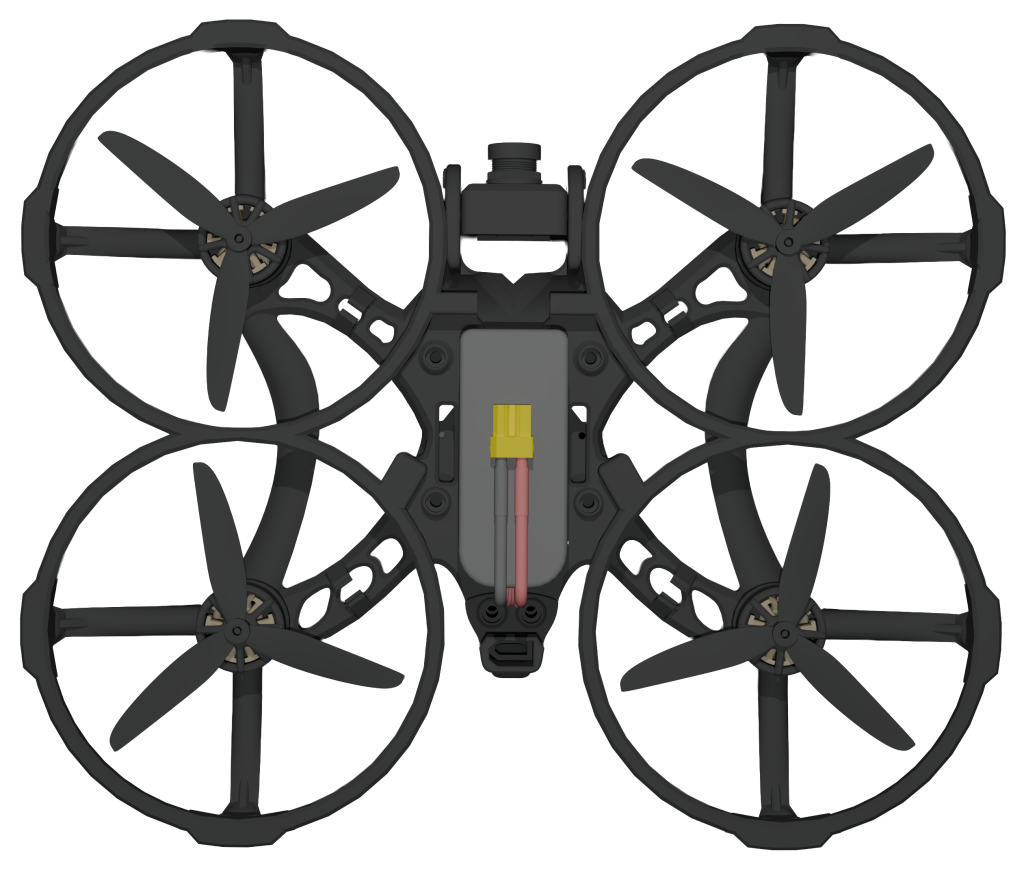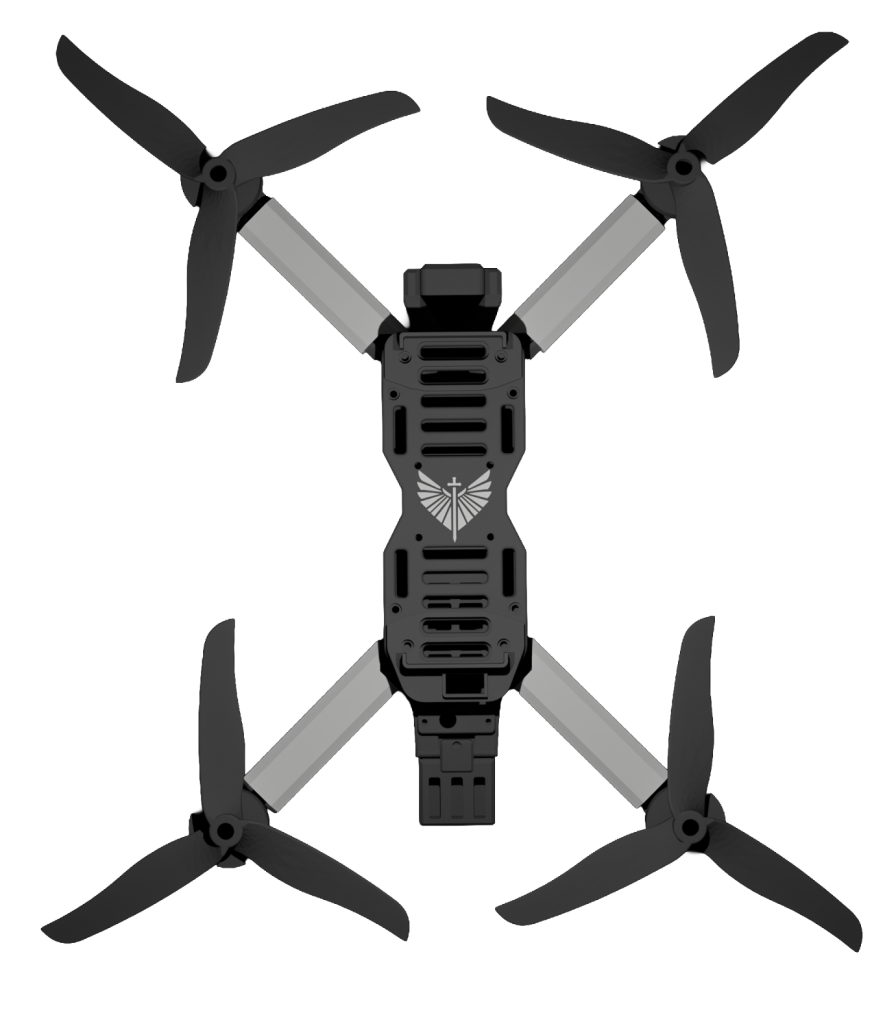
We're not building platforms for the sake of building platforms. Every design decision, material choice, and manufacturing process at Sentinel exists for a reason — to make capable UAS more accessible, more maintainable, and more mission-ready than what came before.
Sentinel Dynamics is committed to creating reliable, purpose-built UAV platforms using 3D-printed airframes — products engineered for practicality, accessibility, and real-world performance. We believe innovation doesn't require excess. It requires intention, testing, and a willingness to iterate.
By leveraging modern additive manufacturing, we aim to reduce barriers to entry, shorten development cycles, and empower builders, pilots, and small organizations with aircraft they can print, assemble, and maintain themselves. Our focus is on what works — lightweight structures, modular design, and airframes that evolve as quickly as ideas do.
We are here not to promise the extraordinary, but to build it piece by piece — through curiosity, craftsmanship, and a grounded belief that accessible technology can unlock meaningful capability.
Every Sentinel platform begins with a real requirement — not a spec sheet. We design airframes that solve specific problems: maintainability in the field, affordability at scale, adaptability to different payloads and environments. The mission drives the design, not the other way around.
Additive manufacturing removes the cost and lead time barriers that slow traditional development. We use that advantage deliberately — printing, testing, breaking, learning, and reprinting until the result earns its place in the catalog. A platform ships when it's right, not when it's scheduled.
A platform that can't be repaired in the field is a liability. Every Sentinel design prioritizes field serviceability — modular arms, accessible hardware, printable replacements, and clear assembly logic. We build for the pilot who crashes on Thursday and needs to fly on Friday.
Sentinel is designed, manufactured, and supported in North Carolina. We source with NDAA awareness, build in-house, and keep the supply chain as short as possible. That's not a marketing position — it's a commitment to quality, accountability, and building something we can stand behind.
3D printing isn't a compromise at Sentinel — it's a deliberate choice. Additive manufacturing allows us to produce structural airframe components with geometries that traditional manufacturing can't match, at a cost that makes high-performance UAS accessible to organizations of any size.
Sentinel Dynamics is built in North Carolina — not assembled from overseas components and rebranded, but genuinely designed, manufactured, and supported in-house. Every airframe that ships carries the intent of the people who built it and the accountability of a company that puts its name on every component.
We source with NDAA awareness where mission context requires it, maintain an in-house manufacturing capability that keeps our supply chain short, and stand directly behind everything we produce. No middlemen. No overseas black boxes. Just hardware we designed, tested, and built ourselves.
Our vision is to become a leading contributor in the evolution of unmanned flight — refining how aircraft are designed, produced, and shared through additive manufacturing. As materials strengthen and manufacturing advances, we see 3D-printed airframes not as a compromise but as an opportunity: lightweight, scalable, and accessible to those with ideas worth flying.
Sentinel seeks to grow into a full ecosystem of UAS solutions where innovation is open, development is collaborative, and high-performance airframes are within reach for builders, professionals, and organizations alike. The catalog you see today is the beginning of something larger — a platform family built to expand alongside the missions that demand it.
Sentinel Dynamics was founded on a straightforward premise: that the barrier between a capable UAS and the people who need one is mostly artificial. Traditional manufacturing processes, long supply chains, and high tooling costs don't serve the builder, the operator, or the mission. Additive manufacturing removes those barriers — and Sentinel was built to take full advantage of that.
The company operates with a direct philosophy: design with intention, build in-house, test honestly, and iterate until the result earns its place. No vaporware. No premature product announcements. Just hardware that works, built by people who fly it.
Whether you're looking for platforms, training, a custom build, or a partnership — we want to hear from you. Sentinel works directly with the people and organizations it serves.